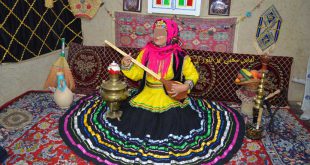
 فروشگاه لباس محلی ایران توران لباس محلی ایرانتوران مناسبترین قیمت لباس محلی فقط در این فروشگاه .برای دیدن قیمت لباسها به تیترهای زرد بالای سایت توجه کنید09302070045
Related Articles
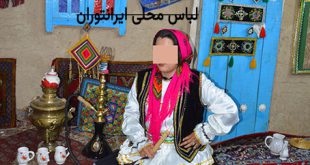
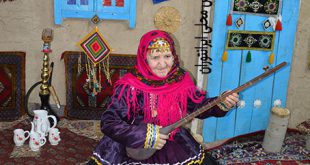

traditional iranianReviewed by فرشید on Dec 22Rating: traditional iraniantraditional iranian.بهترین لباسهای ایرانی با قیمت مناسب در فروشگاه لباس محلی ایران توران شماره تلگرام و تماس 09302070045
traditional iranian

برای اطلاع از قیمت مدلهای شمالی زنانه اینجا کلیک کنید.
جهت دیدن قیمت لباسهای قاجاری اینجا کلیک کنید
برای دیدن قیمت مدلهای کرمانجی اینجا کلیک کنید
و جهت اطلاع از قیمت مدلهای شمالی دخترانه اینجا کلیک کنید
جهت اطلاع از قیمت لباس شمالی مردانه و پسرانه اینجا کلیک کنید
traditional iranian.بهترین لباسهای ایرانی با قیمت مناسب در فروشگاه لباس محلی
ایران توران شماره تلگرام و تماس ۰۹۳۰۲۰۷۰۰۴۵
نحوه اطلاع از قیمتها
برای اطلاع یافتن از قیمتها فقط کافی است به عنوانهای بالای سایت توجه کنید.
عنوانهایی که با کلمه قیمت آغاز شده است.با کلیک بر روی هر کدام از آن
دسته ها نمونه ها به همراه قیمت برای شما قابل رویت می شود.
تولید بصورت عمده است .در نتیجه هزینه تمام شده و تولید نسبت به
سایر فروشگاه پایینتر است.
فقط کافی است شما قیمت محصولات مارا نسبت به محصولات مشابه مقایسه کنید.
زمانی که شما از تولید کننده خرید می کنید هزینه اضافی
بابت افراد واسطه پرداخت نمی کنید.
در تولیدات ما به هیچ عنوان از پارچه ضعیف در دوخت لباسها استفاده نمی شود.
شعار ما در تولید سود پایین و فروش زیاد است.
با توجه به شرایط سخت اقتصادی موجود ما سود تولید را کم در نظر می گیریم که
مردم توان خرید داشته باشند.
زمانی که قیمت مناسب و منطقی باشد فروش بیشتر می شود
و خریدار امکان خرید بیشتری پیدا می کند.
در مرغوبیت پارچه و تولید این فروشگاه هیچگونه شک نکنید .چنانچه هر مشتری
از کیفیت کار راضی نباشد می تواند آن را برگشت دهد و هزینه خود را دریافت کند.
ایران توران فروشگاه تولیدی لباس محلی است .که در تولید لباس های منطقه شمال
اعم از گیلکی قاسم آبادی
مازندرانی و تالشی فعالیت می کند.
به جز لباس های ذکر شده لباس کرد های شمال خراسان که در اصطلاح به
کرمانجی معروف هستند
جزو تولیدات دیگر این فروشگاه به حساب می آید.
همچنین لباس دوران قاجاریه از دیگر تولیدات ما به حساب می آید.
لباس های قاجاری از نظر پارچه و نوار هزینه بالاتری برای تولید در بر می گیرد.
پارچه های مورد استفاده در لباس های قاجاری شامل
پارچه های ترمه و مخمل و لمه می شود.

دلایل پایین بودن قیمت محصولات ایران توران نسبت به سایرین
شما احتمالا با سر چ کردن در اینترنت برای خرید لباس محلی
به سایت ما رسیده ا ید.
و احتمالا قیمت لباسهای محلی را در سایت های دیگر
نظاره کرده ا ید .
و متوجه تفاوت زیاد قیمتهای ما با سایرین شده ا ید.
که اگر هنوز سر چ نکرده ا ید به شما پیشنهاد می کنم.
ابتدا قیمت لباس محلی را در بقیه سایتها نظاره کنید.
تا متوجه قیمتهای مناسب ایران توران شوید.
به دفعات پیش آمده است که مشتری از ما سوال می پرسد
چرا قیمتهای شما نسبت
به سایرین خیلی پایین تر است.
آیا شما از پارچه ضعیف و ارزان استفاده می کنید.
یا دلایل دیگری دارد.باید توضیح دهم که دلیل
پایینتر بودن قیمت های ما سه دلیل عمده دارد.
۱٫تولید عمده لباسها بطور مثال یک بلوز تک دخترانه حدود هفت سال
برای دوخت یک متر پارچه نیاز دارد اما زمانی که شما
قصد تولید عمده همان سایز لباس را دارید و برشها تو در تو انجام می شود
با ۶۰ سانت پارچه می توان همان کار را با همان کیفیت دوخت
۲٫خرید عمده پارچه و یراق
۳٫تفکر و سیاست فروش زیاد و سود کم
زمانی که شما قیمت مناسب برای محصولات خود در نظر بگیرید
مشتری شما افزایش پیدا می کند .در نتیجه
موجب سود بردن از تولید بالا با سود مناسب می شود.
پس دلیل تفاوت قیمتهای ما را متوجه شدید با این توضیحات
از هیچ پارچه و نوار بی کیفیتی در فروشگاه ما استفاده نمی شود.

Traditional Iranian culture is rich and deeply rooted in history, encompassing diverse elements such as art, architecture, cuisine, clothing, and traditions. Here are some highlights:
Art and Architecture
-
Persian Carpets: Known worldwide for their intricate designs and craftsmanship, Persian carpets are a hallmark of Iranian art.
-
Calligraphy: Persian calligraphy, especially Nastaʿlīq script, is a cherished art form used in literature and decorative arts.
-
Architecture: Characterized by elements like domes, iwans (vaulted spaces), intricate tilework, and gardens. Famous examples include Persepolis, Naqsh-e Jahan Square, and Sheikh Lotfollah Mosque.
Cuisine
Traditional Iranian cuisine features a balance of herbs, spices, and fresh ingredients.
-
Kebabs: Dishes like Chelo Kebab are staples.
-
Stews (Khoresh): Examples include Fesenjan (pomegranate and walnut stew) and Ghormeh Sabzi (herb stew).
-
Rice Dishes: Fluffy Persian rice often served with saffron, nuts, and dried fruits.
Clothing
-
Traditional Attire: Women wear chadors or mantos, while men may wear aba or simple tailored garments. Embroidery is common in festive clothing.
-
Headscarves and Hijabs: Worn for modesty in line with cultural and religious practices.
Music and Dance
-
Persian Music: Features instruments like the tar, setar, santur, and daf, often used in classical compositions.
-
Dance: Traditional Iranian dance includes graceful movements and is often accompanied by rhythmic music, though public performances are rare in modern Iran due to cultural norms.
Festivals and Celebrations
-
Nowruz (Persian New Year): Celebrated on the spring equinox, featuring customs like Haft-Seen tables and family gatherings.
-
Yalda Night: Marks the longest night of the year with poetry, fruits (like pomegranates), and nuts.
پوشش ها نشانه فرهنگها و فرهنگها پشتوانه ملتها ..

traditional iranian
Iran has a rich and diverse cultural heritage, and this is reflected in its traditional clothing, which varies widely across regions, ethnicities, and climates. Here’s an overview of the traditional attire for different groups and regions in Iran:
۱٫ General Characteristics
-
Modesty: Traditional Iranian clothing emphasizes modesty, often featuring loose-fitting garments and head coverings.
-
Fabrics: Natural materials like cotton, silk, and wool are common.
-
Decorations: Many outfits are adorned with embroidery, beadwork, and intricate patterns inspired by nature or Persian art.
۲٫ Ethnic and Regional Attire
Persian (Central and Urban Areas)
-
Women:
-
Long tunics (called pirahan) paired with wide trousers (shalvar).
-
Scarves or shawls (rousari) often accompany these outfits.
-
For special occasions, they may wear elaborately embroidered dresses.
-
-
Men:
-
Long tunics and trousers, with vests or jackets for formal occasions.
-
In rural areas, traditional felt hats (kolah) and belts are worn.
-
Kurdish (Western Iran)
-
Women:
-
Bright, colorful dresses made of silk or cotton with long sleeves.
-
Wide belts or sashes around the waist.
-
Head coverings often include sequins and embroidery.
-
-
Men:
-
Baggy trousers and long shirts, often worn with a sash (poosteen) around the waist.
-
Traditional shoes called giveh and unique felt hats or scarves.
-
Turkmen (Northeastern Iran)
-
Women:
-
Long, embroidered dresses in deep red or maroon tones.
-
Heavy jewelry, including silver necklaces and bracelets.
-
Tall, cylindrical hats with scarves draped over them.
-
-
Men:
-
Woolen caps (telpek) and striped robes over their tunics.
-
Baggy trousers tucked into boots.
-
Baluchi (Southeastern Iran)
-
Women:
-
Long dresses with detailed embroidery, especially on the chest, sleeves, and hem.
-
They often wear headscarves and large amounts of silver jewelry.
-
-
Men:
-
Long tunics (kameez) and loose-fitting trousers (shalwar).
-
Turbans or scarves are common headwear.
-
Lurs (Southwestern Iran)
-
Women:
-
Layered skirts with colorful patterns and long tunics.
-
Headdresses that include floral scarves and sometimes coins.
-
-
Men:
-
Dark, striped coats over plain shirts, paired with loose trousers.
-
Felt hats or caps.
-
Qashqai (Southern Iran)
-
Women:
-
Multi-layered, colorful skirts and long blouses.
-
Wide headscarves tied in unique styles.
-
Heavy silver jewelry is an important accessory.
-
-
Men:
-
Short jackets, loose trousers, and flat-brimmed hats.
-
Mazandarani and Gilaki (Northern Iran)
-
Women:
-
Flared skirts and fitted blouses.
-
Bright colors dominate, often reflecting the lush, green environment.
-
Headscarves are usually worn.
-
-
Men:
-
Simple shirts and trousers, often with woolen vests or coats for cooler weather.
-
Armenians (Isfahan and Northwestern Iran)
-
Women:
-
Long, elegant dresses adorned with embroidery.
-
Intricate headscarves or bonnets.
-
-
Men:
-
Western-influenced but often with embroidered vests and traditional hats.
-
۳٫ Ceremonial Clothing
-
Wedding Attire:
-
Often vibrant and heavily adorned with gold or silver embroidery.
-
Women’s wedding dresses reflect regional styles, with elaborate jewelry.
-
-
Festive Outfits:
-
Worn during Nowruz (Persian New Year) and other festivals.
-
These feature vibrant colors, symbolic patterns, and luxurious materials.
-
۴٫ Contemporary Use
While modern Iranians often wear Western-style clothing in daily life, traditional attire is still widely used in rural areas, during cultural festivals, and on special occasions to preserve heritage and identity.

traditional iranian
Iran is a diverse country home to a variety of tribes and ethnic groups with rich cultural traditions, languages, and lifestyles. Many tribes have preserved their distinct identities, customs, and sometimes nomadic or semi-nomadic ways of life for centuries. Here are some of the major tribes and ethnic groups living in Iran:
۱٫ Bakhtiari
-
Region: Southwestern Iran, particularly in Chaharmahal and Bakhtiari Province, and parts of Khuzestan and Lorestan.
-
Language: Luri (a southwestern Iranian language).
-
Lifestyle: Traditionally nomadic, with seasonal migrations between summer and winter pastures. Many have transitioned to a more settled lifestyle in recent decades.
-
Culture: Known for their vibrant music, dance, and distinctive traditional clothing.
۲٫ Qashqai
-
Region: Fars Province and surrounding areas.
-
Language: Qashqai Turkic and Persian.
-
Lifestyle: Historically nomadic, with a rich tradition of carpet weaving. Many Qashqai still maintain seasonal migrations.
-
Culture: Famous for intricate rugs and vibrant festivals.
۳٫ Kurdish Tribes
-
Region: Western Iran, especially in Kurdistan, Kermanshah, and West Azerbaijan provinces.
-
Language: Kurdish dialects such as Sorani and Kurmanji.
-
Lifestyle: A mix of settled and semi-nomadic communities.
-
Culture: Rich in poetry, music, and traditional dances, with strong tribal structures in some areas.
۴٫ Lurs
-
Region: Lorestan, Ilam, and parts of Khuzestan and Fars provinces.
-
Language: Luri.
-
Lifestyle: Both settled and semi-nomadic; historically known as shepherds and warriors.
-
Culture: Renowned for their hospitality, storytelling, and vibrant music.
منبع:مد و لباس در قلمرو هنر مفهومی

traditional iranian
۵٫ Baluch
-
Region: Sistan and Baluchestan Province in southeastern Iran.
-
Language: Baluchi (an Iranian language).
-
Lifestyle: Primarily pastoral and agricultural, with some semi-nomadic communities.
-
Culture: Known for their distinctive embroidery, music, and poetry.
۶٫ Turkmen
-
Region: Northeastern Iran, particularly in Golestan and North Khorasan provinces.
-
Language: Turkmen (a Turkic language).
-
Lifestyle: Historically nomadic, now primarily settled with a focus on agriculture and animal husbandry.
-
Culture: Recognized for their carpets and traditional equestrian skills.
۷٫ Arab Tribes
-
Region: Khuzestan Province, near the Iraqi border.
-
Language: Arabic (primarily Khuzestani Arabic dialects).
-
Lifestyle: Settled, with many engaged in agriculture, trade, and fishing.
-
Culture: Deeply influenced by both Arab and Iranian traditions.
۸٫ Gilaks and Mazandaranis
-
Region: Northern Iran, near the Caspian Sea.
-
Language: Gilaki and Mazandarani (Northwestern Iranian languages).
-
Lifestyle: Primarily agricultural and fishing-based communities.
-
Culture: Distinctive culinary and architectural traditions.
۹٫ Talysh
-
Region: Northwestern Iran, near the Caspian Sea and bordering Azerbaijan.
-
Language: Talysh (an Iranian language).
-
Lifestyle: Settled agricultural communities.
-
Culture: Known for traditional music, weaving, and vibrant folklore.
۱۰٫ Armenians
-
Region: Mainly in urban centers like Tehran, Isfahan (New Julfa), and other cities.
-
Language: Armenian.
-
Lifestyle: Settled, primarily urbanized.
-
Culture: Strong cultural identity, with contributions to art, architecture, and trade.
۱۱٫ Assyrians
-
Region: Primarily in urban areas of Tehran and Urmia.
-
Language: Assyrian (a Neo-Aramaic language).
-
Lifestyle: Urbanized communities.
-
Culture: One of the oldest ethnic groups in the region, with a Christian heritage.
۱۲٫ Tats and Talysh
-
Region: Northwestern and Northern Iran.
-
Language: Tati (an Iranian language) and Talysh.
-
Culture: Maintain distinct linguistic and cultural traditions.